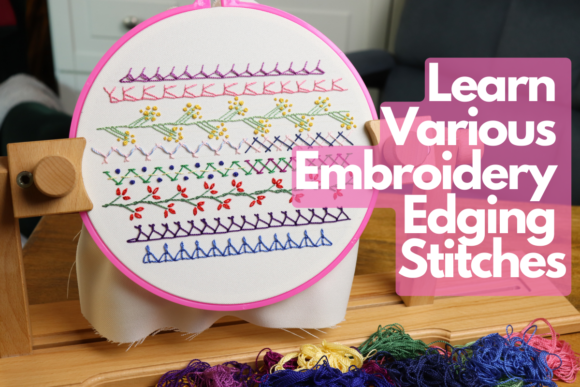
Learn Various Embroidery Edging Stitches
As an embroidery designer with years of experience, I've seen countless machine embroidery designs come and go. But when I first encountered Learn Various Embroidery Edging Stitches, I was immediately struck by its potential for small business use. This design isn't just about aesthetics—it's a versatile tool that can elevate brand identity, enhance product value, and add a professional touch to custom apparel, embroidered patches, and more.
The Visual Personality of Learn Various Embroidery Edging Stitches
Learn Various Embroidery Edging Stitches has a confident, bold personality. It feels modern yet timeless, with a clean and structured look that works well in both casual and formal settings. The design is ideal for businesses looking to add a subtle yet striking border or accent to their merchandise. Whether used as a sleeve detail, cap embroidery, or tote bag design, it brings a sense of quality and craftsmanship to the finished product.
This edging design is especially effective on light-colored fabrics, where the stitch details stand out without overwhelming the overall look. It’s also adaptable—simple versions can be used for handmade products, while more intricate patterns can serve as a premium branding element for high-end boutique merchandise or custom apparel.
Real Business Use Cases for Learn Various Embroidery Edging Stitches
For small business owners, Learn Various Embroidery Edging Stitches offers a range of practical applications. It can be used as a branded patch for staff uniforms, an apron embroidery detail, or even as a decorative border on event merch. Its versatility makes it a valuable addition to any embroidery shop or digital embroidery file collection.
- Embroidered Patches: The design works well as a standalone patch, adding visual interest to backpacks, jackets, or hats.
- Cap Embroidery: A bold edge can make a statement on caps, especially when paired with a simple logo or text.
- Tote Bag Design: Adding a stitched border to tote bags can give them a polished, professional finish.
- Work Shirts and Uniforms: The design can be used as a collar or sleeve trim, enhancing the overall look of employee attire.
- Product Packaging Accents: Small stitch details can be added to packaging, reinforcing brand identity and making products more memorable.
It’s also useful for Etsy sellers and craft brands looking to create printable mockups or digital embroidery files that can be sold as part of a design asset bundle.
Where to Use Learn Various Embroidery Edging Stitches with Caution
While Learn Various Embroidery Edging Stitches is highly adaptable, there are certain situations where it may not perform as well. For example, on small patch sizes, the design might become too dense or lose its clarity. Similarly, on curved surfaces like cap fronts, the stitches could appear distorted if not properly adjusted.
High stitch density and detailed outlines can also be problematic on textured fabrics or dark uniforms, where the stitching may not show up clearly. It’s important to test the design at different scales and on various fabric types before committing to large-scale production.
Impact on Brand Identity and Customer Perception
Brand identity is everything in the world of small business merch. Learn Various Embroidery Edging Stitches can help reinforce a brand’s image by adding consistency across all embroidered items. When used effectively, it can increase customer trust, recognition, and engagement with the brand.
For handmade brands or craft businesses, this design can elevate the perceived value of a product. Even a simple edge can make a difference in how customers view the quality of the finished product. It also helps maintain visual consistency across different items, from aprons to tote bags, ensuring that the brand remains cohesive and professional.
Practical Tips for Embroidery Designers
As a professional embroidery designer, I always recommend testing any new machine embroidery design before using it in a commercial project. Here are some key steps to consider:
- Test in black and white first: This helps assess how the design will look on different fabric colors.
- Check small patch size: Ensure the design remains legible and clear when scaled down.
- Review thread color contrast: Make sure the chosen colors work well together and stand out on the intended fabric.
- Inspect spacing: Avoid overcrowding the design, especially on smaller items like caps or sleeves.
- Confirm hoop size: Ensure the design fits within the available hoop dimensions for your machine.
- Test on real fabric: Always do a trial run on the actual material you’ll be using.
- Use proper stabilizer: This prevents puckering and ensures the stitches lay flat.
- Create a mockup: Show clients a visual representation before finalizing the design.
- Compare with other design assets: Ensure it complements existing logos or branding elements.
- Confirm commercial licensing: Make sure the digital embroidery file is suitable for business use.
By following these steps, small business owners and embroidery shops can ensure that Learn Various Embroidery Edging Stitches enhances their products rather than detracts from them.