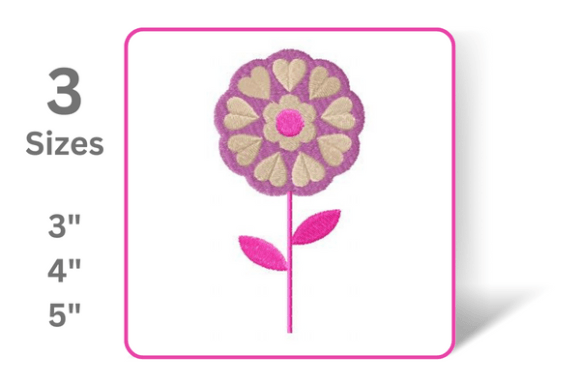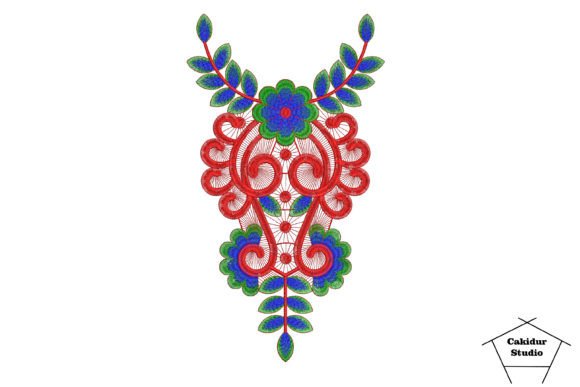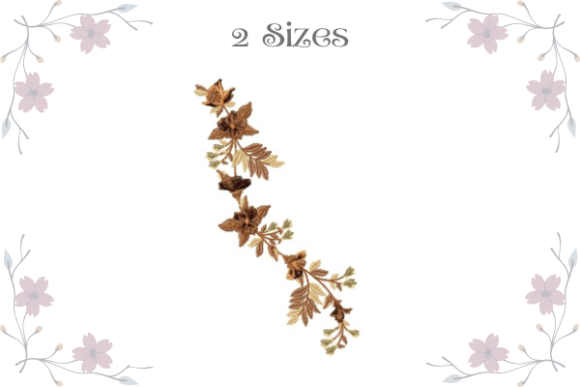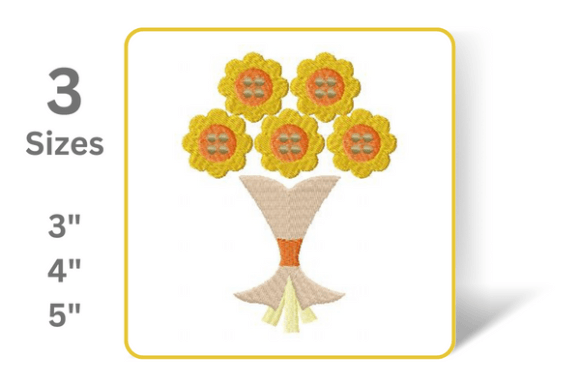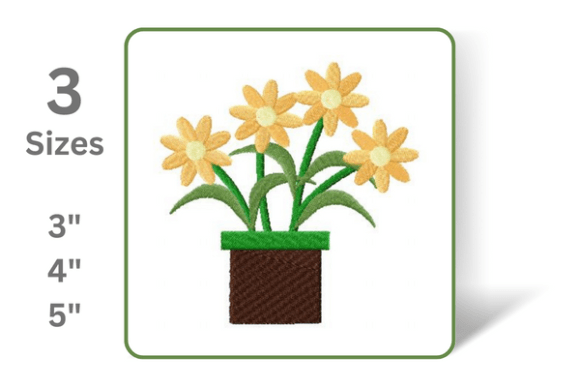
Flower Pot Embroidery Design
The Flower Pot embroidery design is a versatile and charming addition to any craft fair product lineup. With its floral theme and elegant simplicity, it offers a fresh and appealing option for handmade products that can be adapted to a wide range of items. As an experienced embroidery designer, I've evaluated this design with the goal of understanding how it would perform in a real-world setting, especially when displayed at a weekend craft fair booth.
First Impressions of Flower Pot
From the first glance, the Flower Pot design feels soft and decorative, with a touch of farmhouse charm. It’s not overly bold or modern, but rather a gentle, eye-catching element that adds warmth to any fabric. The description mentions it can be beautifully embroidered on any fabric, which suggests it’s adaptable and easy to work with. This makes it ideal for a variety of craft fair products, from tote bags to pillow covers.
Where Flower Pot Shines
The Flower Pot design works well on several common craft fair products. For example, as a tote bag design, it adds a personal and artistic touch that appeals to shoppers looking for unique, handcrafted items. On apron embroidery, it brings a subtle elegance that complements kitchen and gardening themes. In tea towel embroidery, it becomes a functional yet stylish accessory that customers might purchase as a gift or for their own home.
As an embroidered patch, the design can be applied to jackets, backpacks, or caps, offering a small but noticeable detail that enhances the overall look. When used on fabric pouches or market bags, it adds a personalized flair that stands out in a crowded booth. The design also works well as a pillow cover, where it can be the focal point of a cozy, handmade decor item.
Practical Selling and Production Points
One of the strengths of the Flower Pot design is its clarity at a glance. It’s not overly complex, which means it can be easily recognized by customers even from a distance. This is important in a craft fair setting where quick visual appeal can make the difference between a sale and a missed opportunity.
The design can function both as a small accent or a larger focal point, depending on the product. This flexibility allows for creative use across different items. For online listings, it photographs well, especially when paired with complementary thread colors. The design also has good potential for batch production, as it doesn’t require excessive stitch density or intricate details that could slow down the process.
Careful-Use Notes
While the Flower Pot design is generally straightforward, there are a few considerations to keep in mind. If the design includes dense stitch areas, it may require additional stabilizer to prevent puckering, especially on thinner fabrics. Tiny details or small lettering could be lost if the design is scaled too small, so it's best to test it on various sizes before finalizing products.
On thick fabrics or textured towels, the design may not show up as clearly, so it’s wise to test it on similar materials. For curved surfaces like caps, the design may need slight adjustments to ensure proper placement. When working with dark fabrics, using contrasting thread colors can help the design stand out more effectively.
Impact on Visual Appeal and Customer Engagement
The Flower Pot design contributes positively to the visual appeal of any product it’s applied to. Its soft, floral aesthetic draws attention and creates a sense of warmth and approachability. This is particularly valuable in a craft fair setting, where customers often look for items that feel handmade and authentic.
As a small shop product, it adds value by offering a unique, customizable option that can be tailored to different customer preferences. It also supports brand consistency, as the design can be used across multiple product lines to reinforce a cohesive style. In terms of booth display strength, it can serve as a centerpiece or a supporting element, depending on how it’s presented.
Embroidery Designer Notes
Before producing any finished products, it’s essential to test the machine embroidery design on scrap fabric to ensure it looks as intended. Checking stitch density and spacing is crucial to avoid issues during production. Confirming the hoop size needed for the design will help streamline the process and reduce errors.
Creating a printable mockup or design asset can also be helpful for showcasing the design to potential buyers or for use in Etsy listings. Comparing fabric colors and testing different thread colors can enhance the final appearance of the handmade product. Lastly, ensuring that the digital embroidery file has proper commercial licensing is vital before selling any commercial embroidery items.